The Role of Artificial Intelligence in Animation: Evolution, Trends, and Future
Animation techniques sit at the centre of modern visual storytelling. They turn intricate subjects into narratives people actually watch, which is why they carry so much weight in both marketing and production. Good animation does not just hold attention — it builds a relationship with the viewer and communicates across cultural differences that text often cannot.
Traditional methods have evolved considerably in the digital age. They keep their authenticity, but modern viewing habits have pushed new trends to the front. Here is where the main techniques stand, and where they appear to be going.
The main animation techniques
Stop motion
One of the oldest techniques, and still one of the most distinctive. Objects are manipulated frame by frame and photographed at each step, producing the illusion of motion. Its tactile, handcrafted look suits commercials, product demonstrations and feature films. Puppet animation and claymation both trade on exactly that sense of something made by hand.
3D animation and modelling
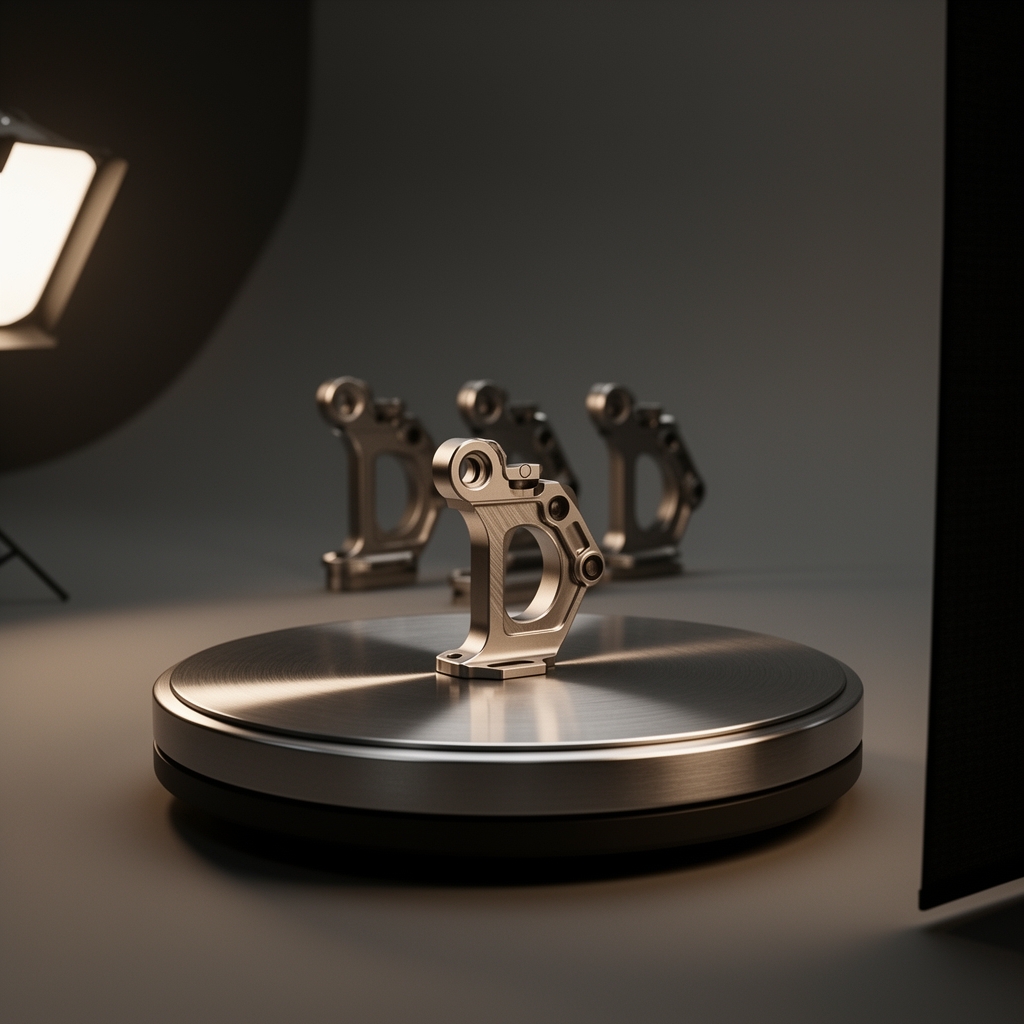
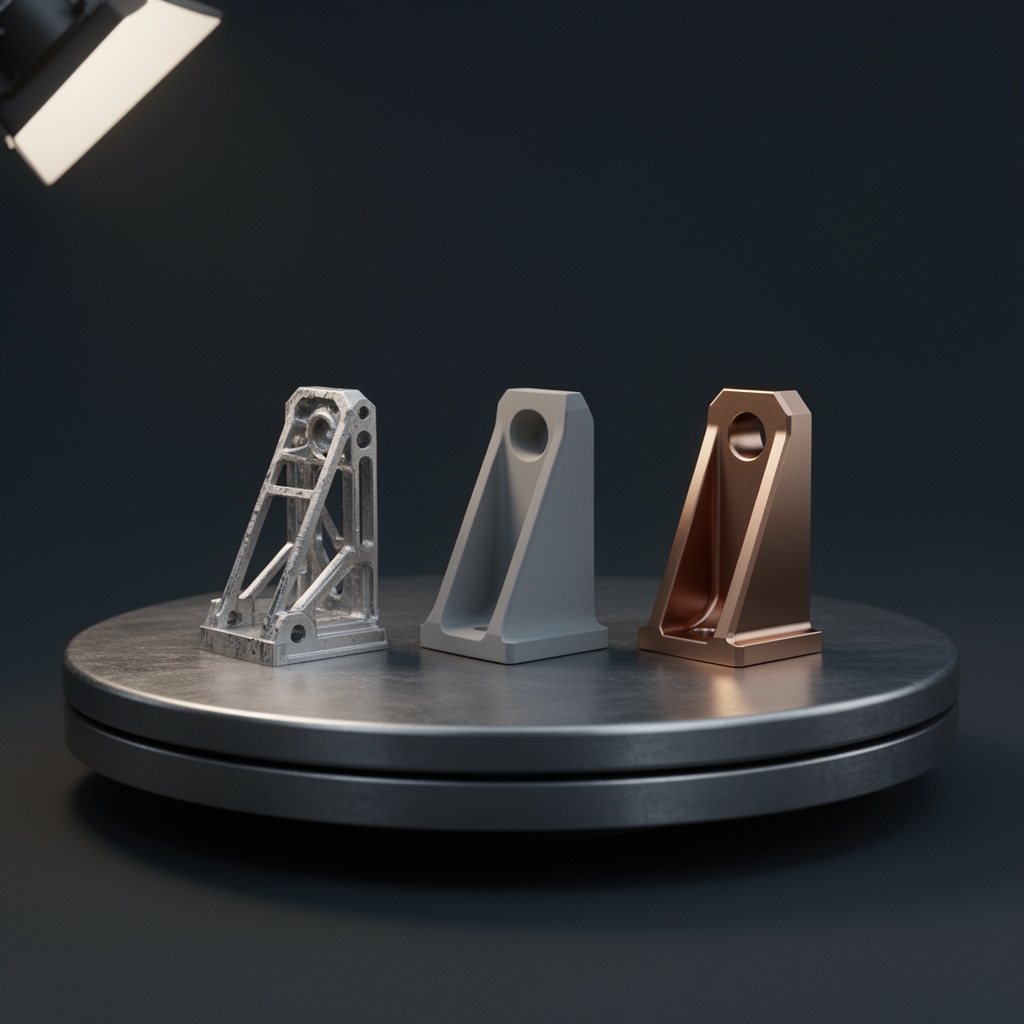
Where stop motion is physical, 3D animation is computer-generated. The process starts with modelling — characters and environments built as digital objects — then animating those models to produce lifelike movement, supported by advanced lighting and atmospheric effects. It is the usual choice for product marketing, explainer videos and feature work, because it can show things that would be impractical or impossible to film.
Whiteboard animation
A deliberately different approach: illustrations drawn against a blank canvas, simulating a live teaching or brainstorming session. It suits explainer videos, educational content and business storytelling, where the job is to make a complicated idea approachable rather than to look cinematic.
Trends shaping animation for marketing
Short-form video
Instagram and TikTok have made concise, visually dense animation the default. The format has to grab attention quickly and land its message faster still, which changes how a piece is paced and structured from the first frame.
Aspect ratio
Mobile-first platforms have upended assumptions about framing. Horizontal still serves traditional placements, but vertical has become essential, and animators now design for both — making sure a piece reads properly whichever way the screen is turned.
What that means in production
Short-form has pushed narrative pacing faster, visuals harder, and timelines tighter. Brand messages increasingly need to land within the first few seconds, which is a real constraint on how a piece can be structured.
The role of AI
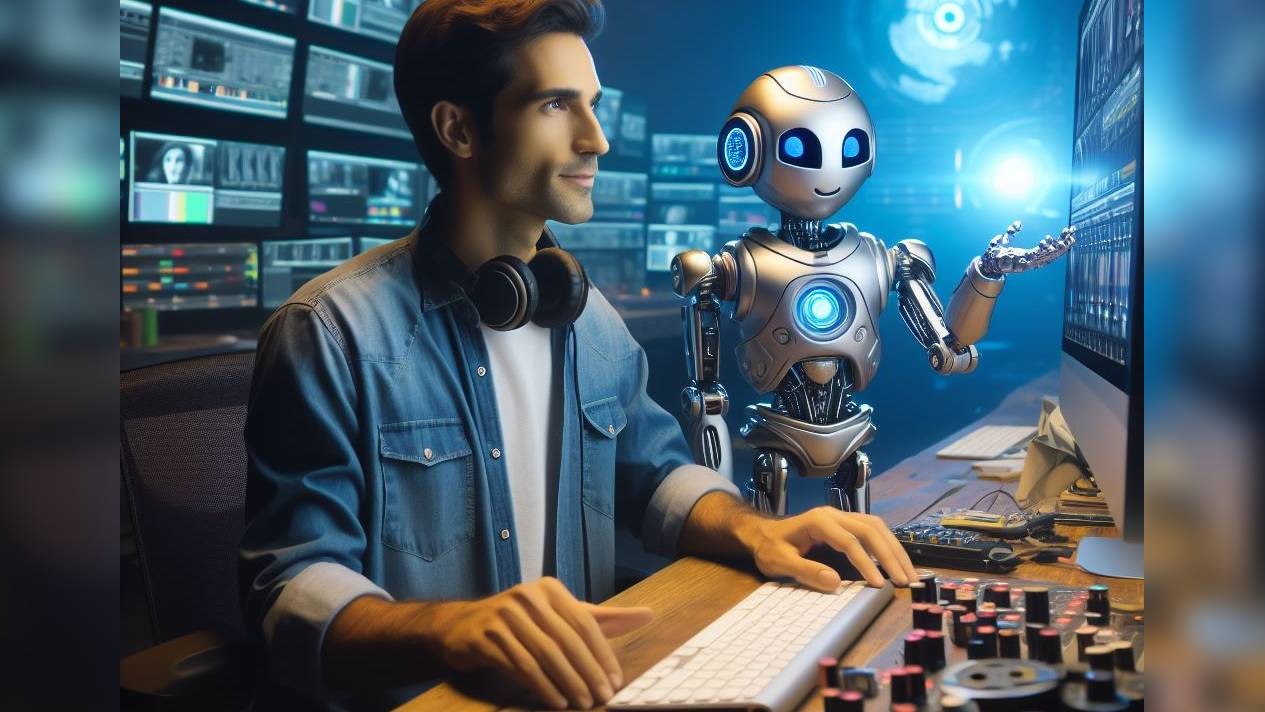
AI is automating the labour-intensive parts of animation: generating assets, assisting with lip-sync, filling in-between frames, and enhancing visual effects. In both 2D and 3D pipelines it now supports character rigging, facial animation and procedural content generation, with algorithms analysing human movement to produce more convincing character work.
The practical effect is that animators spend less time on repetitive tasks and more on storytelling and concept. That tends to widen the range of what a studio can attempt rather than narrowing it.
Where the industry is heading
Techniques will keep merging — 2D elements inside 3D environments is already common, and AR and VR are opening up interactive and immersive work. The combination of AI tooling and short-form distribution is reshaping both how animation gets made and how it reaches an audience.
Versatility is the thing that matters most now. Explainer videos, educational content, social campaigns and entertainment all demand different styles, and a studio with a narrow range struggles in a crowded market.
Conclusion
From stop motion to AI-assisted pipelines, animation has changed substantially and continues to. For anyone using animation in marketing or production, the useful position is to stay fluent across techniques rather than committed to one.
If you are considering animation for a product, see how we approach 3D product animation, look at explainer video work, or tell us what you are making.